BetterPlants: turning Irish seaweed into plant and soil food
2026-11-17
Ollie Greene lives in the middle of Ireland, about as far from the sea as you can get on the island. Yet seaweed is at the heart of his business. BetterPlants, based in Mullingar, makes seaweed-based products for farmers, gardeners, golf courses and animal feed. Its goal is simple: help people rely less on chemical fertilisers.
It started with a question
The idea goes back some 15 years. Ollie was working for a nutrition company and at a presentation, a doctor showed how much the minerals and vitamins in our food have dropped compared to a few decades ago. "I couldn't understand it," Ollie says. "It didn’t make sense."
He grew up growing vegetables with his parents and wanted to do the same for his own family, on a bit of land behind the house where they also kept some sheep. As organically as possible.
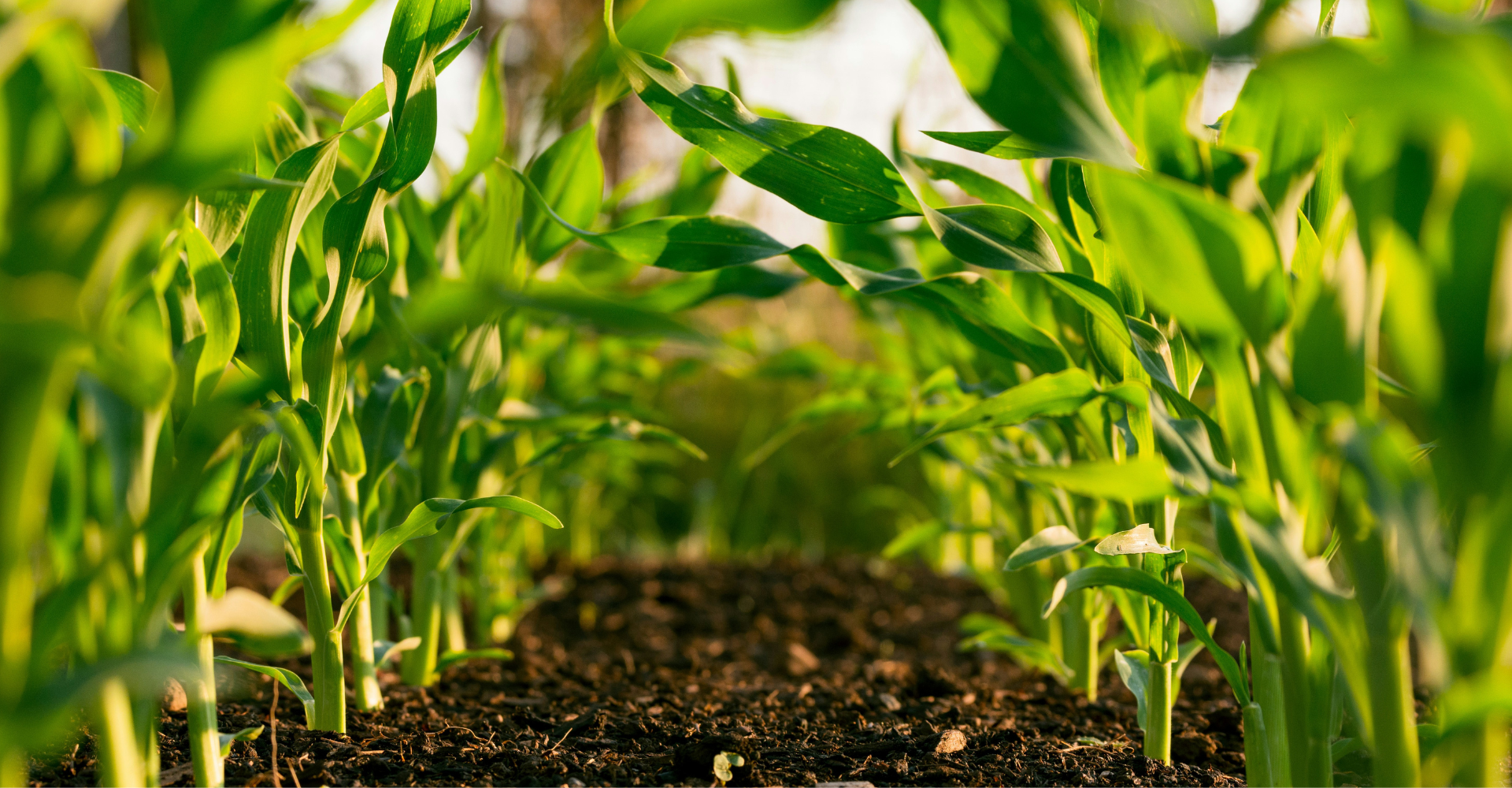
On a surfing trip to the coast, Ollie and a friend brought back barrels of seaweed. He fermented it into his own mulches and liquid feeds, and slowly saw the difference: stronger crops, better soil, fewer pests and diseases. He had so much that he gave bottles away to everyone, until someone said: you could start a business with this.
A better liquid
Living inland, making the product himself wasn't practical. Transporting raw seaweed would cost too much. The answer came on another surfing trip, when Ollie met a man who had developed a new way of cold-pressing liquid from seaweed. Ollie used it and gave samples to gardeners and farmers to spray on their plants.
"It blew me away," he says. His home-made liquid had been "stenchy black". This was a clean, olive-green liquid. At demonstrations, Ollie sometimes takes a sip to show how safe it is.
Hand-harvested on the west coast
BetterPlants uses Ascophyllum nodosum, a brown seaweed that grows along Ireland's west coast. It is harvested by hand. Not because organic rules require it, but because Ollie sees it as the more sustainable way. "If machinery starts ripping it, chances are it's not going to grow back as quickly," he says.
The seaweed is turned into liquid on the west coast, and partner companies supply seaweed meal. In Mullingar, the team of three blends the final products. The gardening range, for example, combines seaweed with amino acids and humic and fulvic acids.
Being 100% Irish matters. "Irish seaweed is quite renowned," Ollie says. "We get a lot of queries."
Who uses it
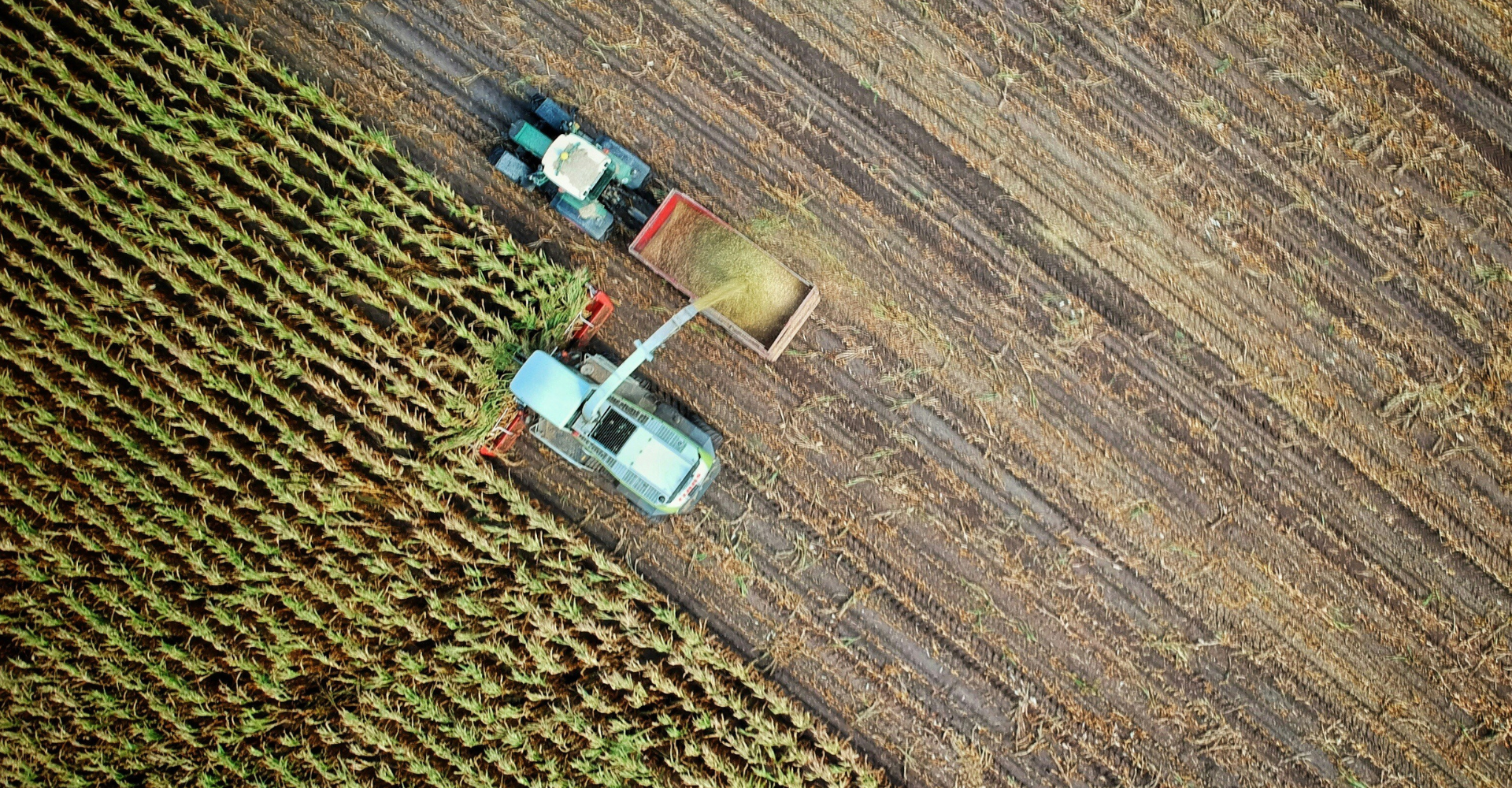
Farming and horticulture are the biggest markets for the liquid seaweed. Golf courses, sports pitches and garden centres are important too. Seaweed minerals are the company's number one export to the Netherlands and Belgium, where most of it goes into pet food.
Gardeners report greener, healthier plants and fewer black spots on their roses. Farmers notice it in their animals to. "They come back and say, my God, the difference in the animals grazing on that ground," Ollie says. The grass is sweeter, and the animals "absolutely thrive on it" compared to fields that only get chemical fertiliser.
"Just try five acres"
Convincing farmers took patience. At his first agricultural shows, there was little interest in organic or liquid fertiliser. So Ollie kept it simple: "I'm not telling you to stop doing what you're doing. Just try a little bit. Five acres, ten acres. That's all I'm asking."
Most of those early customers were conventional farmers looking for better grass and soil. Some expected quick results, but after five or six weeks they saw the difference.
Ollie chose education over hard selling: explaining how seaweed feeds the soil life, builds roots and makes grass sweeter. He does avoid one word, though. Seaweed works as a biostimulant, but "when I start using the word biostimulant, I find them kind of pulling back a little bit," he says. That goes for Irish farmers as well as Dutch ones.
The war in Ukraine changed a lot. When fertiliser prices shot up, many farmers started to rethink. Ollie now hears it more often: "Rather than quantity, I want to grow quality."
A year of extremes
This year's biggest challenge was the weather. "It's something I never thought I would hear myself saying," Ollie says. A very wet spring kept farmers off their fields, and then a drought set in. "There was no point going out at 30 degrees and spraying grass." Sales to golf coursesand garden centres still went up.
Looking ahead
BetterPlants is expanding its gardening range. Its newest product is a flower feed for hanging baskets: a blend of seaweed and amino acids with 10% potassium, and certified organic. "People say, they're just hanging baskets," Ollie says. "But if you feed them organically, it's healthier for the bees, the environment and the soil."
Where will he be in five years? he wants to see the BetterPlants garden range on shelves across Europe, with distributors throughout Europe and maybe the USA.
That is also why he joined ESWA. "The number one thing is to be around like-minded people," he says. "It's an education platform as much as anything else." And Europe is the market he wants to grow in: "That's where I want to be sending pallets and pallets of liquid seaweed."
Leave it better
For Ollie, every product comes back to one idea: reducing the need for chemical fertilisers. "We have two choices," he says. "We can leave it worse than we got it, or we can leave it better. I'm just trying to help farmers and gardeners leave something better behind them."
Get in touch
BetterPlants is looking for distributors who can take its range into garden centres as well as farming and amenity markets.
Want to know more? Visit betterplants.ie or contact Ollie Greene.


